
2026-09-22 · 4 min read
Is an Engine Flush Necessary? When It Helps and When It Can Cause Problems
Engine flush chemicals claim to dissolve sludge and clean the internals before an oil change. But is it necessary for a well-maintained car — or even risky? Here's the honest answer.
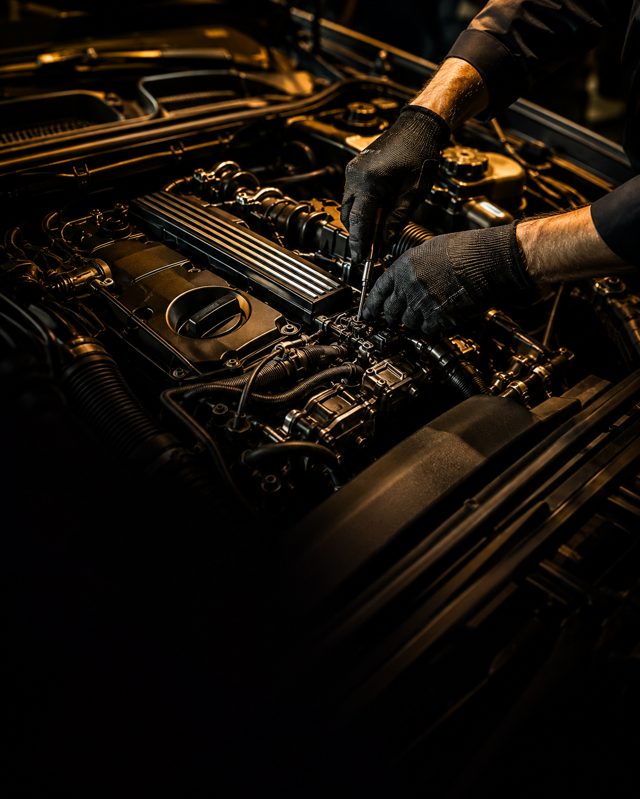
What is an engine flush?
An engine flush involves pouring a bottle of chemical solvent into the old engine oil before an oil change, idling for 10–15 minutes to let it dissolve carbon, sludge and varnish deposits inside the engine, then draining everything with the old oil before refilling with fresh oil.
Many products are on the market and claims vary. The industry remains divided on whether they help or hurt.
When it might help
If a car has gone a long time without oil changes, or you bought a used car with unknown service history, sludge may have built up inside. In these cases a flush can help dissolve it so the fresh oil works in a cleaner environment.
Some technicians also use a flush before major engine work to help assess wear conditions.
When it can cause problems
High-mileage but well-maintained engines are actually riskier: seals and gaskets may have minor seepage that the accumulated sludge is inadvertently plugging. Dissolving that sludge can open leaks where there were none before.
The flush chemical also dilutes the oil's lubricity. If the process runs too long or uses too much product, the engine runs under-lubricated during that period.
4M Car Care's recommendation
For regularly serviced vehicles, engine flush is not needed — quality fully-synthetic oil already contains detergents that keep the internals clean with each oil change.
For unknown second-hand cars or visibly sludgy engines, a professional should judge whether a flush is appropriate — don't buy a product and do it yourself. The best 'flush' is actually shortening oil-change intervals for the first two services to gradually carry old sludge out. WhatsApp 4M Car Care to ask.