
2026-09-22 · 4 min read
Car Won't Accelerate Properly? These Are the Most Common Causes
Revs climb but the car doesn't move, or acceleration feels sluggish? This guide covers the most common culprits — from fuel and ignition to intake and transmission issues.
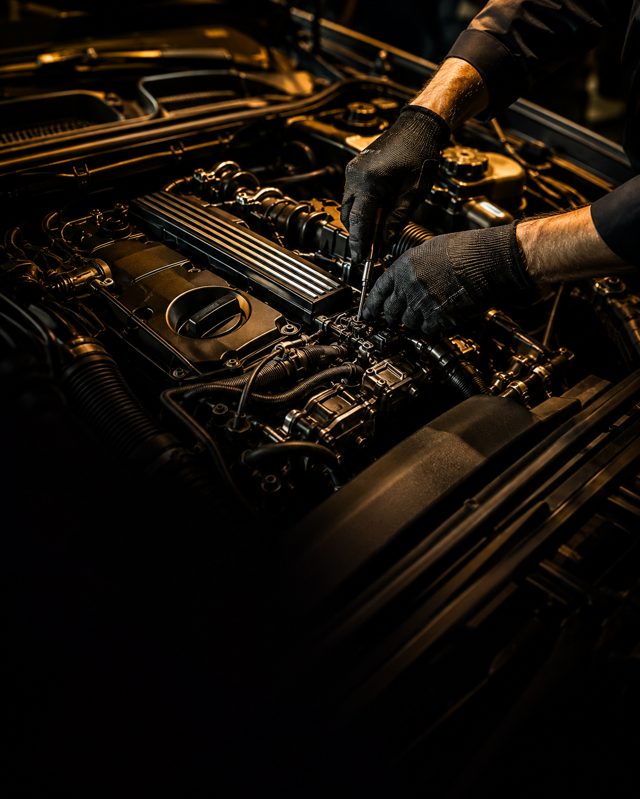
Fuel system problems
A worn or clogged fuel pump causes insufficient fuel pressure — at wide-open throttle fuel delivery can't keep up, giving the sensation of revs climbing while the car barely moves. A blocked fuel filter restricts flow similarly, especially at high RPM.
Clogged injectors (common in high-mileage cars or those that regularly used low-quality fuel) spray unevenly, causing engine shudder and power loss.
Ignition system problems
Worn spark plugs lose firing efficiency — under acceleration combustion is weak and cylinder pressure drops, directly reducing power. A failed ignition coil causes a cylinder misfire (Misfire); the engine shakes noticeably and fault codes are typically P0300–P0304.
Intake system problems
A heavily clogged air filter restricts airflow; with insufficient oxygen the engine can't burn fuel efficiently, power drops and fuel consumption rises. A dirty or failed MAF sensor gives the ECU wrong air-mass data, causing an incorrect fuel mixture and sluggish acceleration.
On turbocharged cars also check for cracked or loose intake pipes — any boost leak causes a noticeable lack of power under acceleration.
Transmission and other causes
Auto transmission slipping: RPM spikes but vehicle speed doesn't follow — feels like spinning in air. This is typical of worn internals or degraded ATF. CVT belt slipping is especially obvious on inclines.
Sluggish acceleration has many possible causes. The best first step is a computer scan to read fault codes, then diagnose the root cause before replacing any parts. 4M Car Care provides professional diagnostics. WhatsApp to book.