
2026-07-21 · 5 min read
Toyota Alphard Shock Absorbers — H30 Struts vs H40 Air Suspension
H30 Alphard uses conventional strut-type shock absorbers (replace by 100,000 km); H40 has air suspension that requires different diagnosis. Costs differ significantly. Full comparison guide.
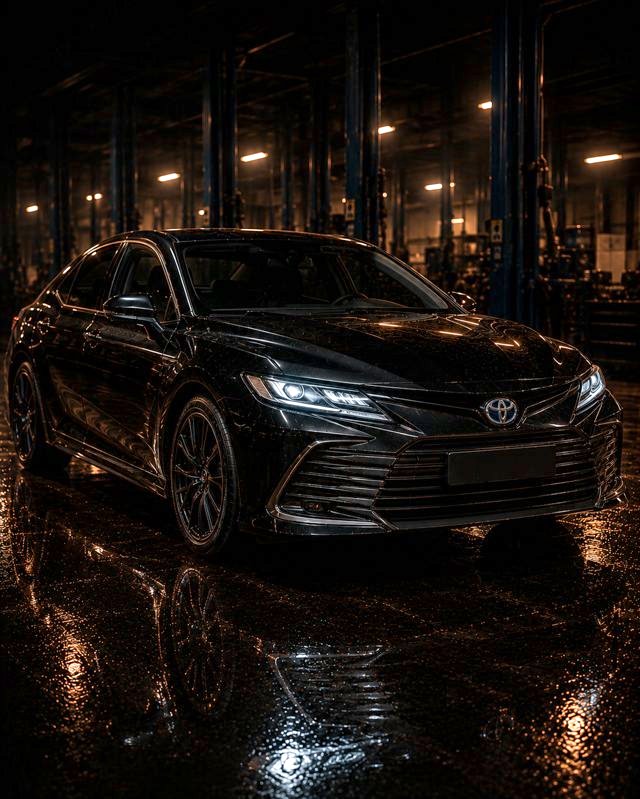
H30 and H40 Alphard have completely different suspension systems — the H30 uses conventional strut-type shock absorbers, while the H40 introduces adaptive air suspension. Diagnosing, maintaining and replacing these systems requires different approaches.
H30 — Conventional Shock Absorbers
H30 Alphard uses KYB or Sachs OEM shock absorbers — MacPherson struts at the front, double-wishbone at the rear. Expected service life: 80,000–100,000 km under normal Malaysian conditions. Signs of worn shock absorbers: the vehicle continues to bounce after going over a speed bump (more than 1–2 oscillations), the nose dips excessively when braking, the vehicle leans heavily in corners. Strut mount replacement: RM 300–500 per side. Full shock absorber replacement (strut assembly): RM 600–1,200 per corner. Always replace in pairs (both front or both rear).
H40 — Air Suspension (E-KERS / Adaptive Variable Suspension)
H40 Alphard features an optional electronic air suspension system. Benefits: automatic ride height adjustment, multiple damping modes, load levelling. Failure points: air spring bladder leaks (vehicle sits lower on one corner — very visible), air compressor failure, height sensor malfunction. If you notice uneven ride height or the compressor runs continuously — investigate immediately. Air spring replacement: RM 1,200–2,000 per corner. Compressor replacement: RM 800–1,500. Note: H40 air suspension diagnosis requires Toyota Techstream or equivalent diagnostic tool.